Ocupación conmemorada, tarja olvidada: monumento al Octavo Regimiento de Massachusetts en la ciudad de Matanzas (Cuba)
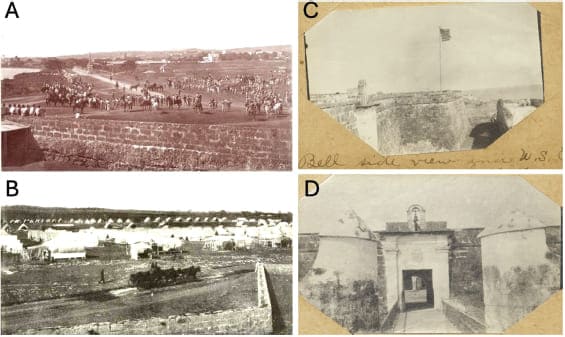
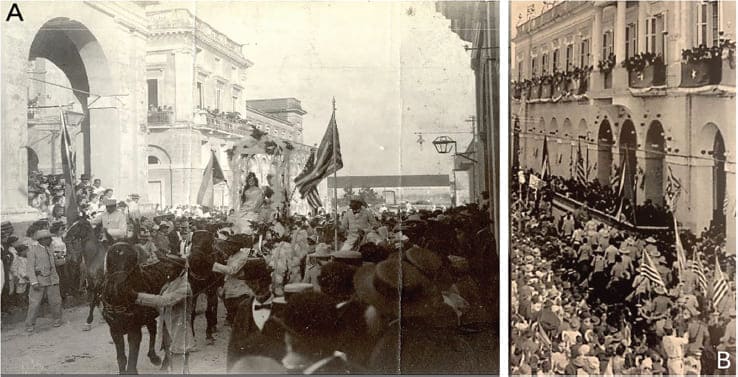
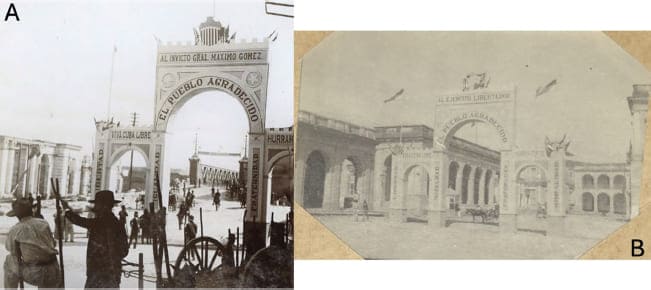
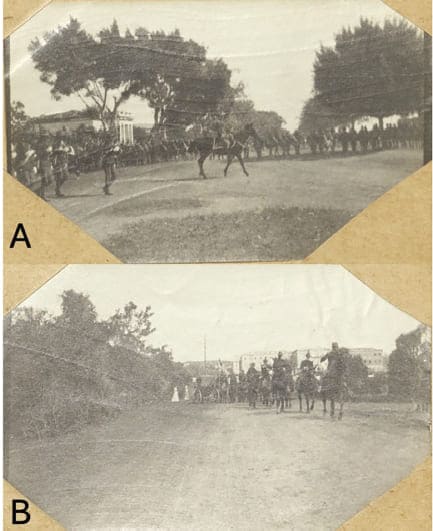
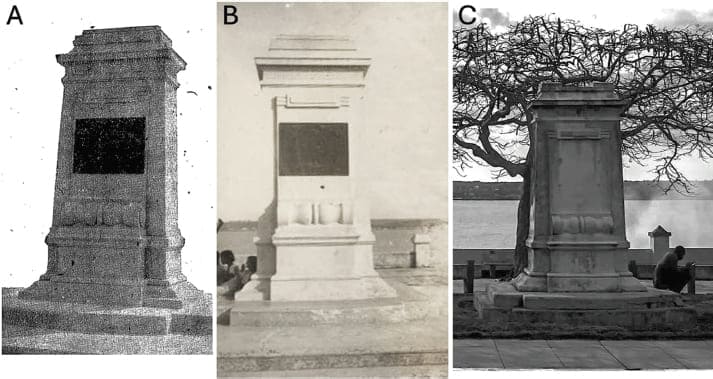
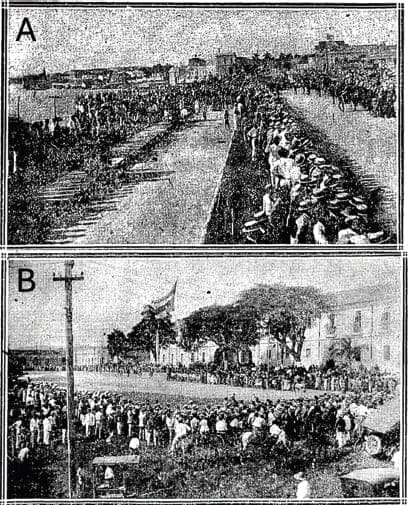
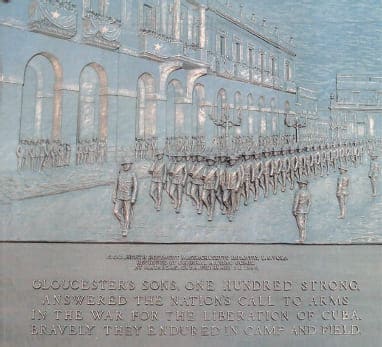
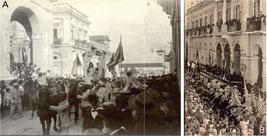
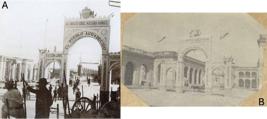
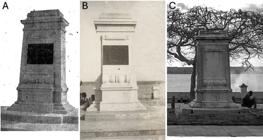
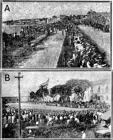
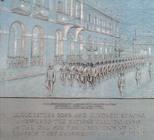
Commemorative monuments form part of the symbolic repertoire through which societies select, fix, and project their vision of the past. Among these, the plaque dedicated to the Eighth Regiment of Infantry of Massachusetts, unveiled on December 10, 1923, in the city of Matanzas (western Cuba), can be interpreted as a diplomatic gesture that linked an episode of the U.S. occupation to the Cuban monumental urban landscape. Using a case-study approach informed by memory studies, this article reconstructs the plaque’s biography through the triangulation of contemporaneous Cuban and U.S. press coverage, municipal and institutional records, and previously unpublished photographs. The analysis recovers the original wording and layout of the inscription, identifies the actors and organizations involved in its commissioning and installation, and documents the civic ceremonies that framed its public meaning. The Matanzas case shows how a marker honoring occupying troops could be incorporated into local commemorative repertoires during the early Republic, and how its later absence can be contextualized within broader reconfigurations of Cuba’s monumental landscape, while acknowledging that the sources consulted do not allow the removal to be dated or described with precision for Matanzas. It is argued that monumental heritage, whether present or absent, is analytically valuable because it registers changes in what is publicly remembered, what is silenced, and how collective memory is materially negotiated.
Keywords:
Monuments; historical memory; 8th Massachusetts Regiment; tangible heritage; Matanzas; Cuba
 Thumbnail
 Thumbnail
 Thumbnail
 Thumbnail
 Thumbnail
 Thumbnail
 Thumbnail