
 En pos de las islas del oro y la plata. La expedición a Japón de Sebastián Vizcaíno, 1611-1614
The present text analyzes Sebastián Vizcaíno’s expedition to Japan between 1611 and 1614 within the context of the transpacific explorations promoted by the Hispanic Monarchy. Beyond its diplomatic dimension, the mission was deeply shaped by the persistence of geographical imaginaries, particularly the myth of the islands of gold and silver, whose pursuit guided a significant portion of exploratory efforts in the Pacific. The article examines the background of relations between Japan and New Spain, from the shipwreck of Rodrigo de Vivero and the first political contacts to the formulation of commercial and diplomatic projects aimed at establishing a more stable link between the two regions. To this end, the study employs a critical analysis of primary sources, cartographic materials, and contemporary chronicles, and contrasts them with specialized historiography on transpacific relations. Within this framework, Vizcaíno’s expedition was conceived as a reconnaissance mission with defined objectives: to reinforce the Hispanic presence in the Pacific and, above all, to locate the mythical islands of precious metals that, for decades, had fueled imperial expectations and guided oceanic exploration. Finally, this article proposes a reinterpretation of Vizcaíno's expedition as evidence of the political impact of geographic and cartographic imaginaries, whose effects were real even though the legendary islands of gold and silver were not.
Keywords:
Sebastián Vizcaíno; Pacific Ocean; Japan–New Spain relations; islands of gold and silver; pacific imaginaries
 Thumbnail
 Thumbnail
 Thumbnail
 Thumbnail
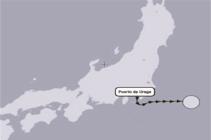 Thumbnail
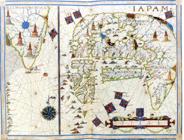
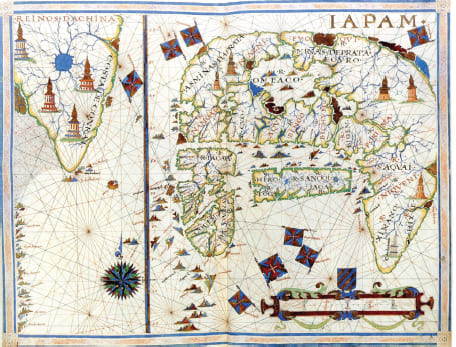 Fuente: Tomado de Iapam por
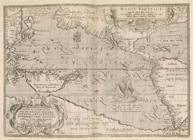
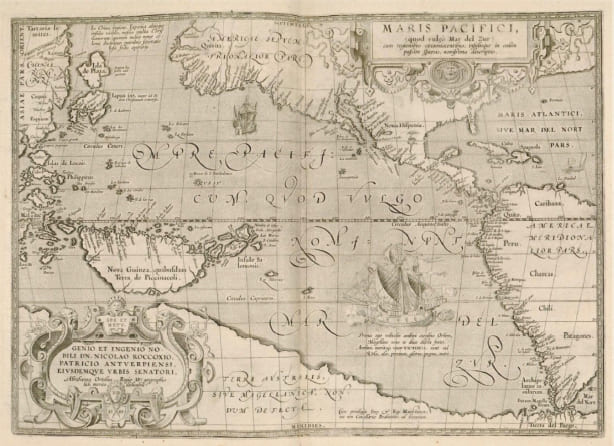 Fuente: Tomado de Maris Pacifici por
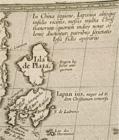
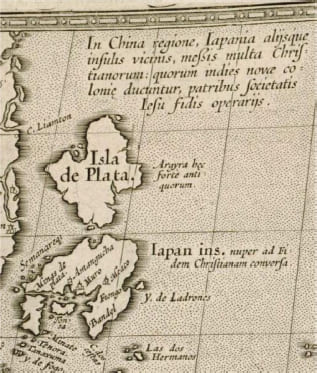 Fuente: Adaptado de Maris Pacifici por
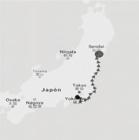
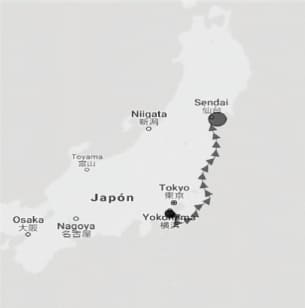 Fuente: Elaboración propia, adaptado de
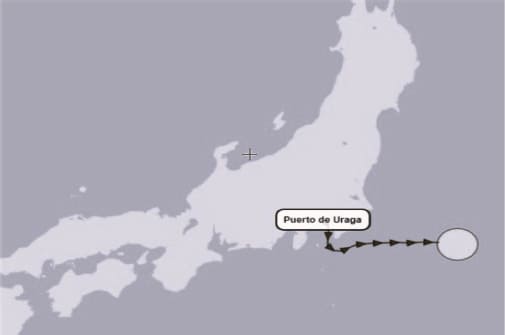 Fuente: Elaboración propia, adaptado de