Action-Research Strategy with Musical Stimulation to Improve Motor Development in Early Childhood
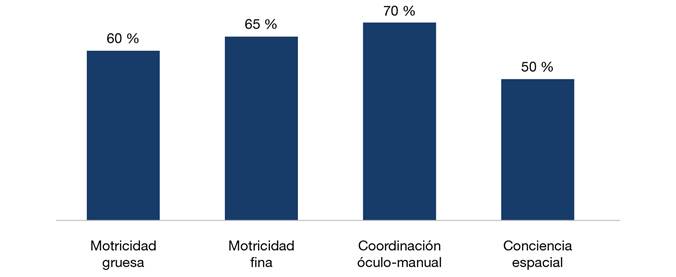
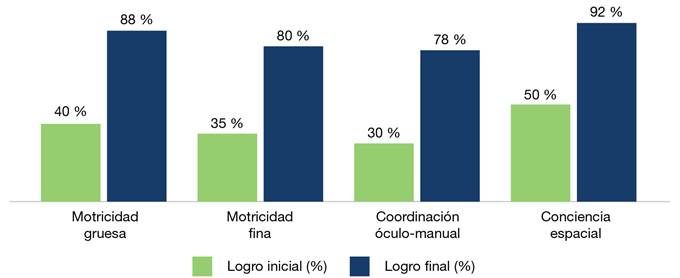
Motor development in early childhood is a cornerstone of holistic learning; however, factors such as sedentary lifestyles and limited play spaces have led to delays among children aged 3 to 5. This mixed-methods action-research study examined the impact of a structured musical intervention in an early stimulation center in Guayaquil, Ecuador. The participants were ten children and two teachers, and data were collected through a checklist, interviews, and observation logs. After six weeks of musical activities, significant improvements were observed in gross motor skills, fine motor skills, hand-eye coordination, and spatial awareness, with increases of up to 48%. Teachers highlighted greater motivation and participation among children. The findings suggest that music, when systematically integrated, is an accessible pedagogical strategy to strengthen motor development in early childhood.
Keywords:
motor development; developmental psychology; early childhood education; education for sustainable development
 Thumbnail
 Thumbnail