Exploring the Use of Artificial Intelligence in University Students
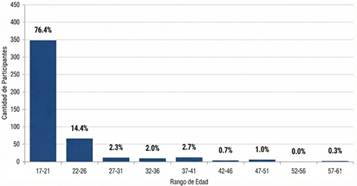
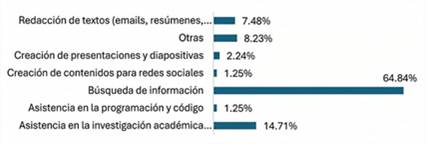
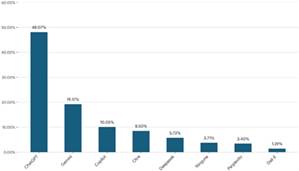
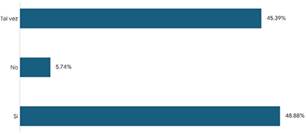
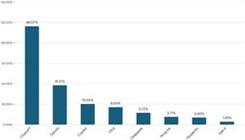
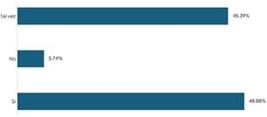
This study explores the perceptions, attitudes, and uses of generative artificial intelligence (GAI) among Mexican university students, within a context of growing technological adoption and the transition toward the Fifth Industrial Revolution. The research employed a quantitative approach, non-experimental design, and descriptive-analytical scope, using a structured questionnaire validated through Aiken’s V coefficient (V > 0.89) and demonstrating acceptable reliability (α = 0.78-0.81). The sample consisted of 401 students from the Universidad Autónoma del Estado de Quintana Roo. Results show a high level of adoption and normalization of tools such as ChatGPT and Gemini, mainly used for information retrieval and academic writing. However, gaps in training persist, along with technological dependence that raises concerns about the loss of critical thinking skills. A total of 84% of students expressed interest in receiving formal training in artificial intelligence (AI) and participating in learning clubs. In conclusion, the study reveals a predominantly positive attitude toward AI, accompanied by an explicit demand for critical digital literacy and institutional ethical education that fosters responsible, reflective, and professional use of these emerging technologies.
Keywords:
artificial intelligence; digital skills; AI ethics; university students; higher education
 Thumbnail
 Thumbnail
 Thumbnail
 Thumbnail
 Thumbnail
 Thumbnail
 Thumbnail
 Thumbnail
 Thumbnail
 Thumbnail